
Common challenges faced by GPs using traditional tools: why it’s time to think beyond your scope
Can you remember a time before smartphones? Your desk, office and home were probably cluttered with single-purpose tools like a calculator, alarm clock, camera, phone, torch, calendar, dictaphone and maps, among countless others.
Smartphones changed all that. A single, small, portable device has replaced a dozen separate ones, streamlining your work and decluttering your desk.
The right tools matter. Yet many of the devices still used in clinics today were designed for a different era of medicine. That affects patient care and practice profits.
Limited tools, limited care
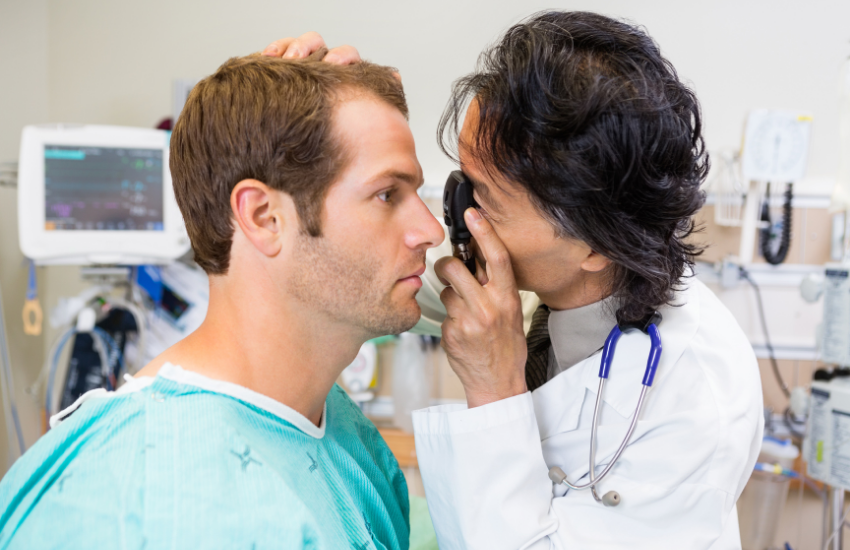
Most GPs are still relying on traditional, single-purpose tools like otoscopes, dermatoscopes and ophthalmoscopes. They each require space and there’s a tangle of wires to contend with. Switching between several single-function tools slows down consultations and disrupts the flow of care.
And all you can do is examine. If you want to perform in-clinic procedures, you need to invest in bulky additional equipment like a slit lamp or an ear microscope – and you need to find space for it. That’s why you tend to refer to other practices for these procedures, losing potential revenue and delaying care.
Many traditional scopes don’t capture or transmit images. This limits your ability to:
- Track patient progress over time
- Provide robust medico-legal documentation
- Share findings with patients or referrers
-
Save consultation time by documenting with images instead of words.
Paying the price of delayed treatment
When a GP doesn’t have the right tools to deliver comprehensive care, the patient often pays the price through:
- Delayed care and ongoing pain
- Time away from work
- Travel costs
- Lengthy waits in a hospital emergency department
- Specialist’s fees.
This is especially difficult in rural and remote areas, where access to specialists is limited and the nearest hospital is many hours’ drive away.
What could have been a 5-minute procedure performed by their familiar, trusted GP becomes a multi-day process involving travel, hospital queues and follow-ups.
iXope: one scope, many possibilities
Just like a smartphone, iXope reimagines what’s possible with a single tool. With one device you can:
- Examine: iXope replaces your dermatoscope, ophthalmoscope and otoscope
- Perform in-clinic procedures: iXope integrates slit-lamp and microscopic ear inspection capabilities
- Document: iXope captures images and transfers them wirelessly into the patient’s record.
iXope frees you from buying and juggling multiple devices. Its wireless, compact design makes it ideal for space-conscious clinics, locums or GPs conducting home visits.
A smarter way to practice
iXope was developed by a GP to meet the real-world demands of primary care. It enables you to improve clinical care and generate much-needed revenue to sustain your practice.
With iXope, you can bill for in-clinic procedures like ear wax microsuction and corneal foreign body removal instead of referring to other practitioners. This one compact, digital, wireless device can reshape your day-to-day practice.
Ready to discover how one scope could expand your scope in general practice?
Disclaimer
This information is intended for healthcare professionals.